Research Highlights

2D Iodide-based Double Perovskite Templatedby Oligothiophene Spacer Cation
4/23/2019 | K. Gundogdu (NC State U.), W. You (U. NC), V. Blum, D. Mitzi (Duke U.)
In an effort to identify lead-free 2D hybrid organic-inorganic perovskites (HOIPs), double perovskites (DPs) with mixed-valent dual metals such as Ag and Bi are attractive. Additionally, replacing chloride and bromide anions with iodide represents an important target in these systems, due to associated lower bandgaps. So far iodide 2D DPs have proven inaccessible in bulk form when using traditional spacer cations, due to intrinsic instability or formation of competing non-perovskite phases.
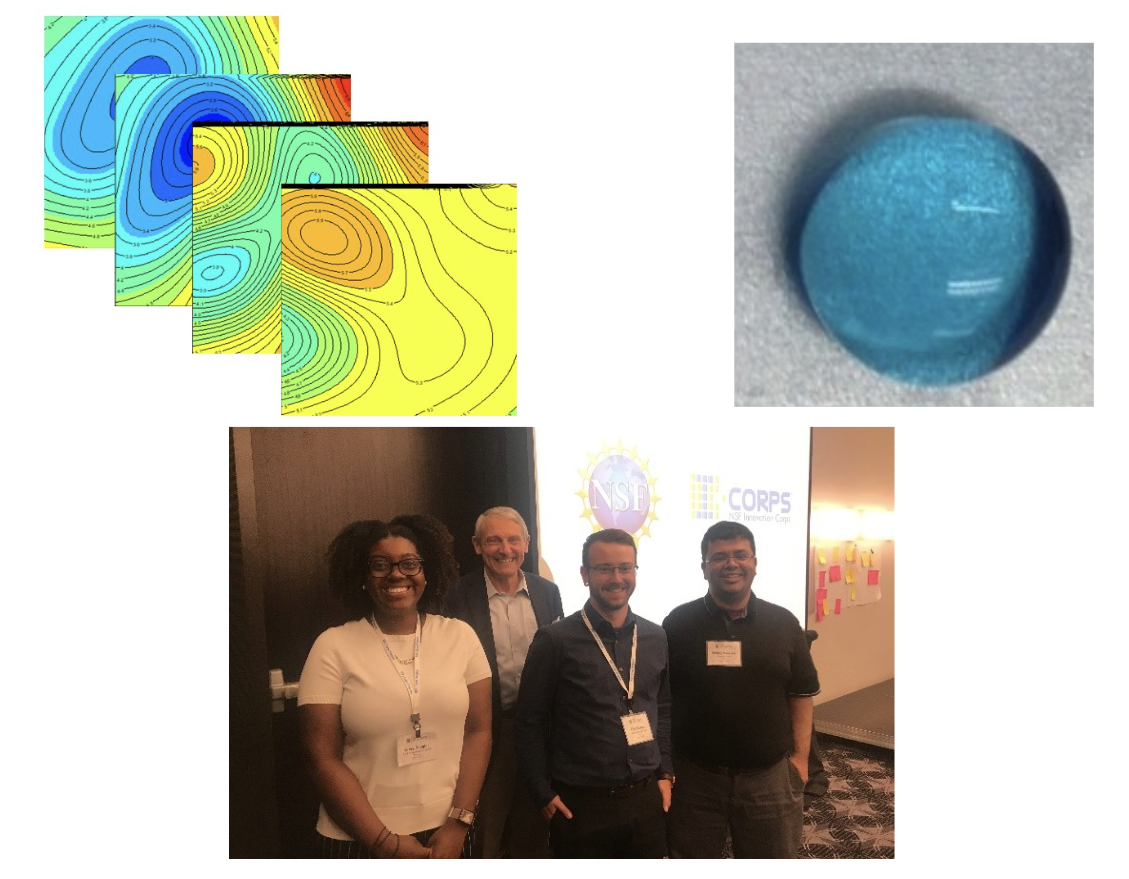
Super-slick Coatings: Data Driven Design to Application
4/11/2019 | Sarbajit Banerjee
(Top left) Slices of a machine learning model designed to capture self-assembly of molecular monolayers on perovskite surfaces. (Top right) Photograph of a superslick surface comprising ZnO tetrapods functionalized with a molecular monolayer. (Lower) Lacy Douglas, Bill Tolar, Erick Braham, and Sarbajit Banerjee at I-corps Kick-off in Chicago.

Achieving a New Generation of 3D Nanostructures in Organic Electronics
4/1/2019 | C. Risko (U. Kentucky)
Rigid 3D polycyclic aromatic hydrocarbons (PAHs) have garnered interest due to their potential use in semiconductor applications and as models to study through-bond and through-space electronic interactions.
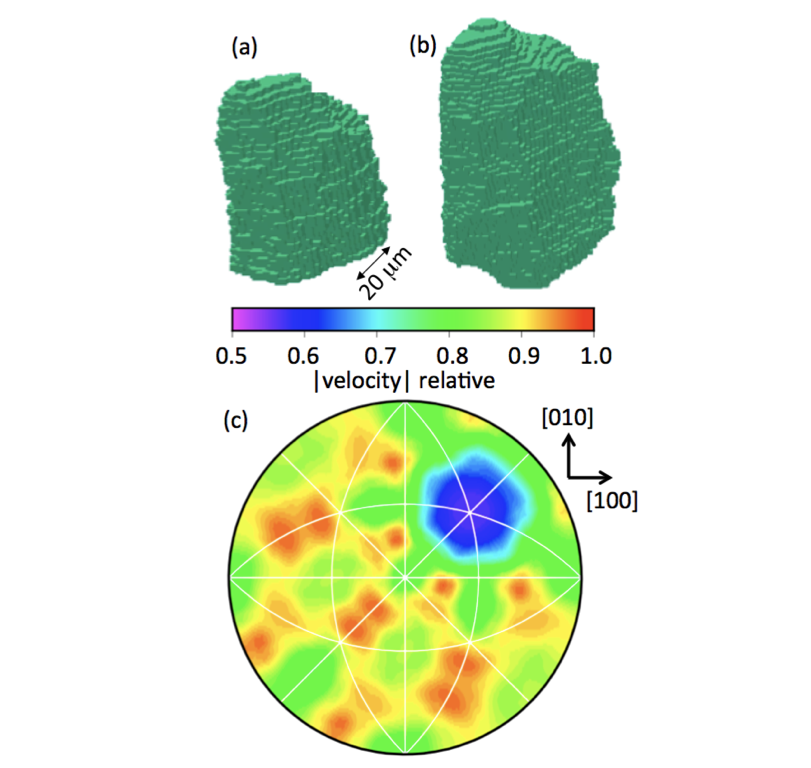
Grain Boundary Velocity Distributions
4/1/2019 | Gregory Rohrer, Robert Suter
Polycrystalline metals and ceramics are opaque to most forms of radiation. Because of this, it has not been possible to observe the motion of grain boundaries within a polycrystalline network.
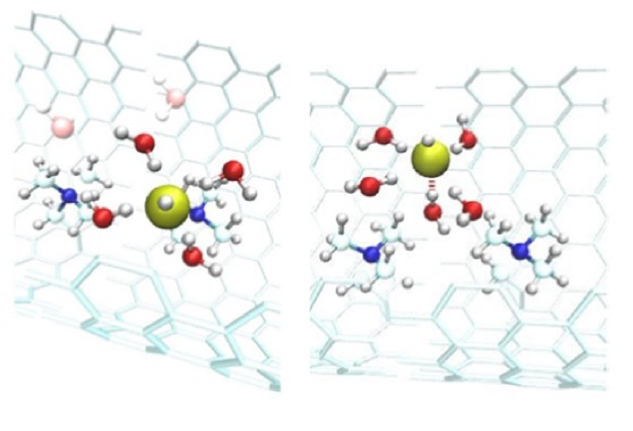
Hydroxide Diffusion in Anion Exchange Membranes
2/28/2019
The development of reliable, cost-effective polymer architectures for use as anion exchange membranes (AEMs) is an important challenge facing emerging electrochemical device technologies.
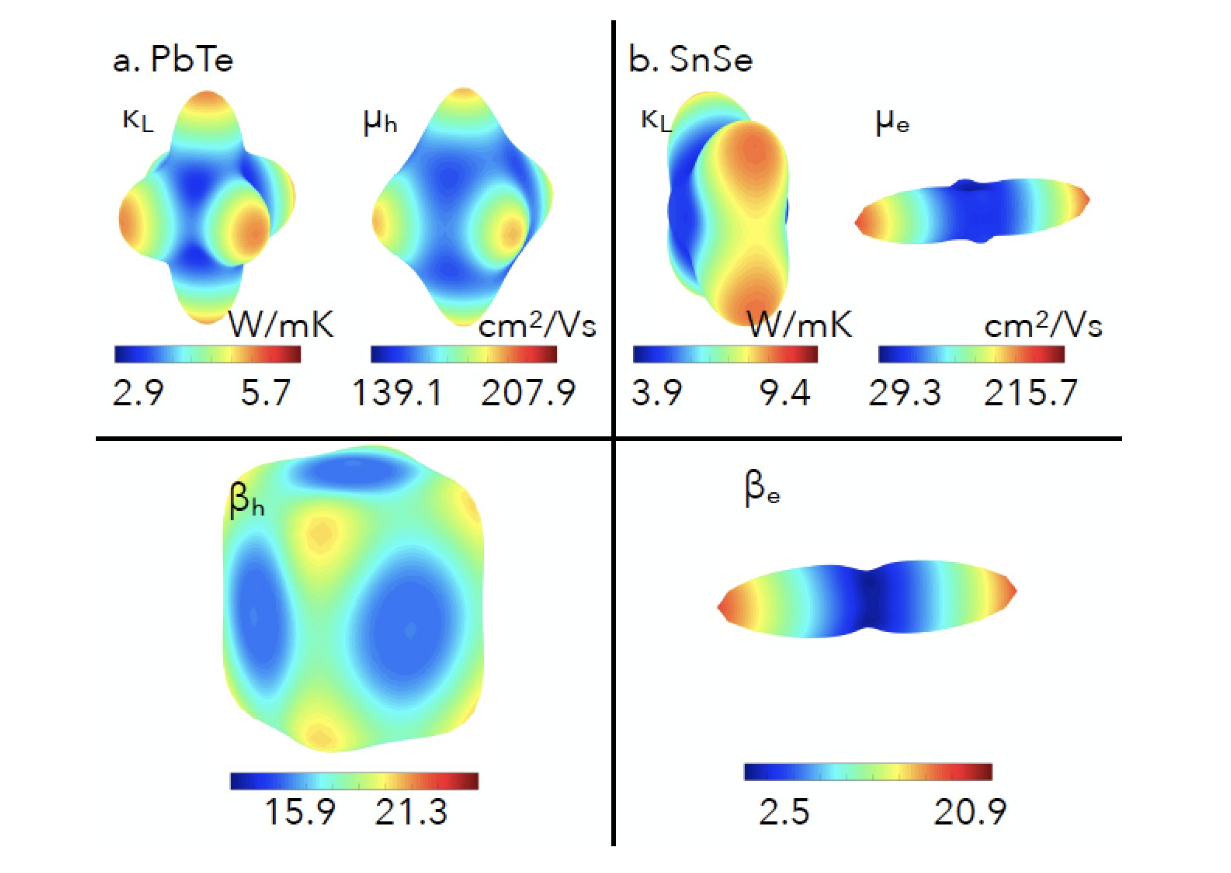
Predicting Anisotropic Performance in Thermoelectrics
2/15/2019 | Eric Toberer, Vladan Stevanovic
Anisotropic properties yield anisotropic thermoelectric performance. Heat maps show lattice thermal conductivity (kL), mobility (uH) and ultimate thermoelectric performance (b)

Double Doping of Organic Semiconducting Polymers
1/14/2019 | Seth Marder (Georgia Tech.)
Molecular doping is a crucial tool for controlling the number of charge carriers in organic semiconductors, which in turn tunes the conductivity of the materials.

Closed-loop Design of Heterostructures for Solar Energy Conversion
12/13/2018 | S. Banerjee (TAMU), D. Watson (U. Buffalo), and L. Piper (Binghamton)
Schematic illustration of CdSe/β-SnxV2O5 heterostructures that enable photocatalytic water splitting; Right: illustration of design of MxV2O5 compounds with p-block cations that yield mid-gap states.
A Simple and Robust Approach to Reducing Contact Resistance in Organic Transistors
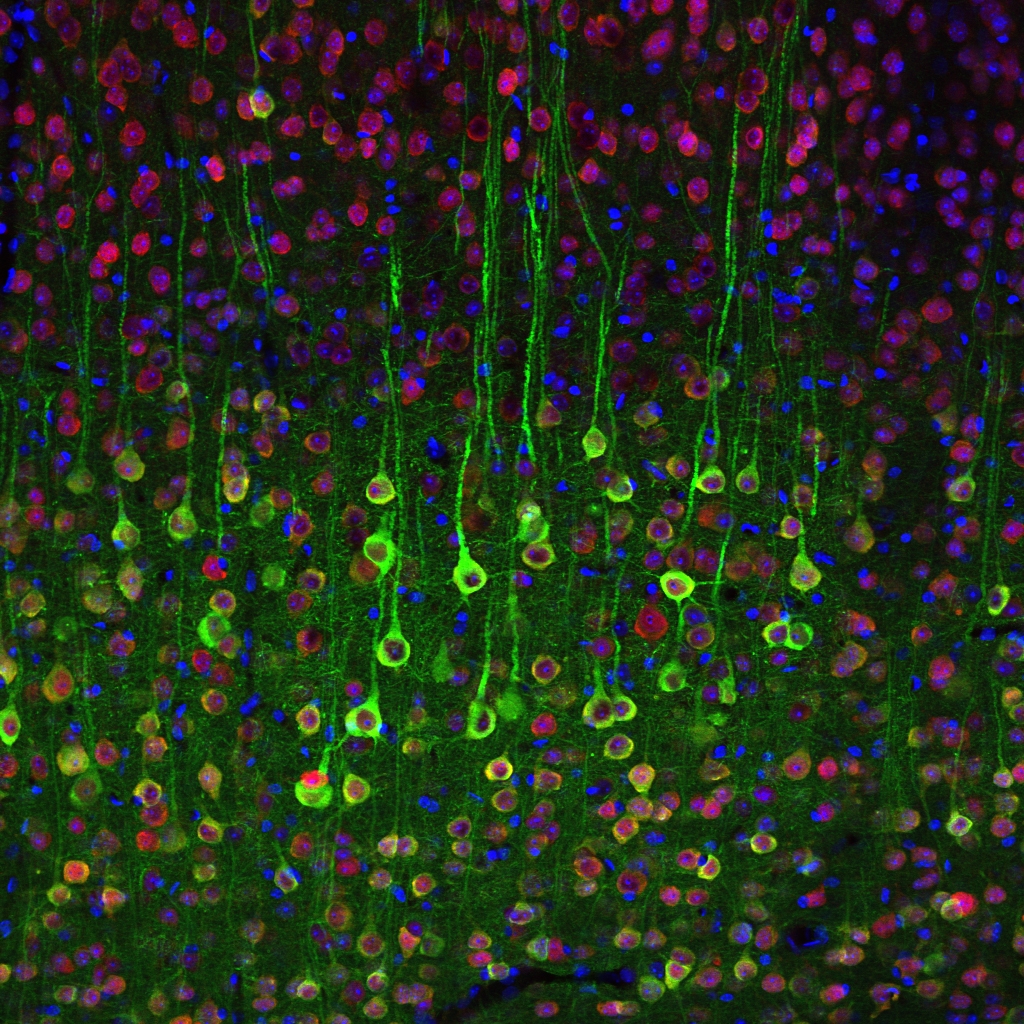
12/1/2018 | Z. A. Lamport, K. J. Barth, H. Lee, E. Gann, S. Engmann, H. Chen, M. Guthold, I. McCulloch, J. E. Anthony, L. J. Richter, D. M. DeLongchamp, and O. D. Jurchescu
Contact effects limit device performance, even in the case of high-mobility semiconductors. We developed a strategy for drastically reducing contact effects: it consists in creating high work function domains at the surface of the injecting electrodes to promote channels of enhanced injection.
MOVCD of Complex Nitride Semiconductors
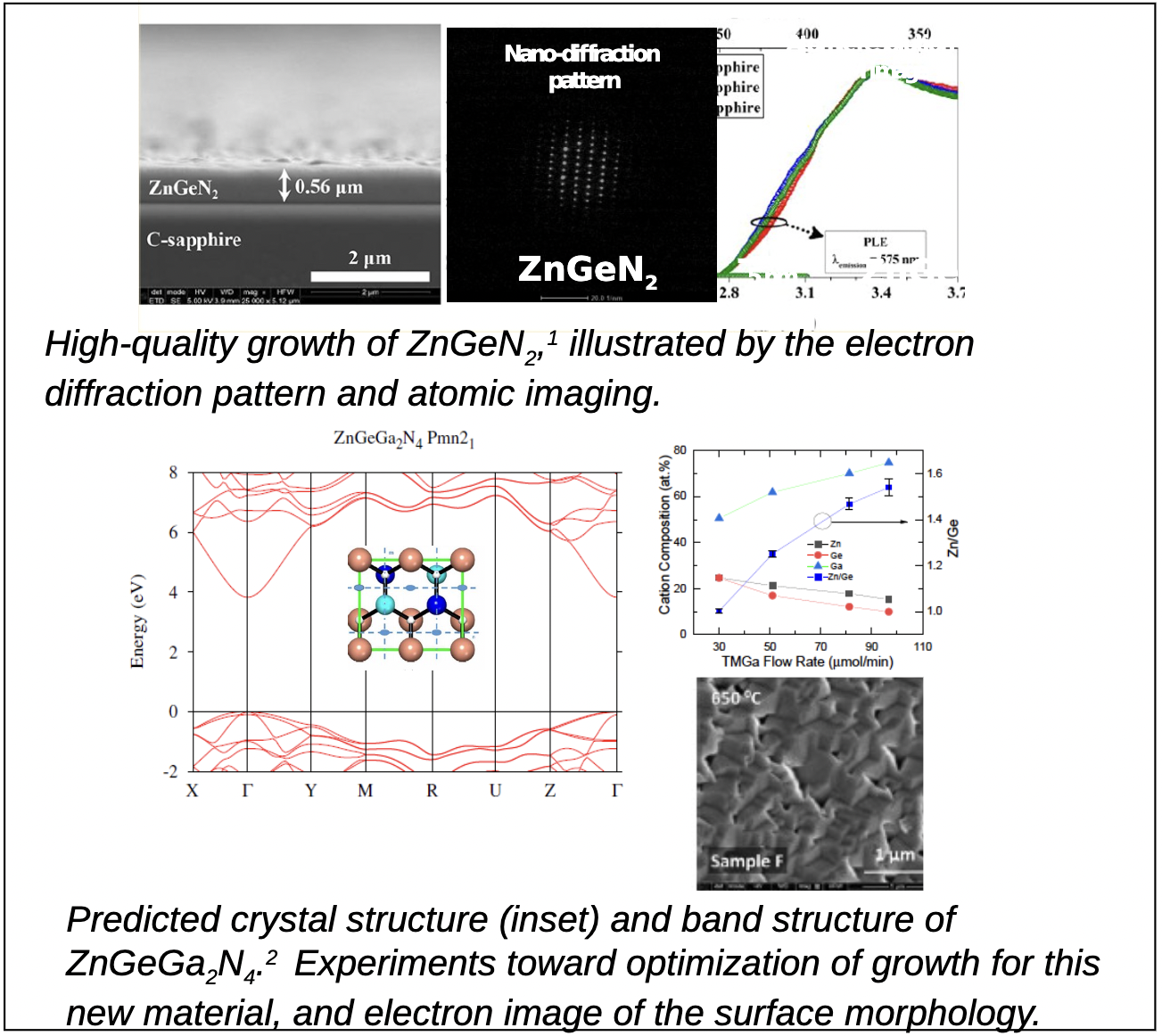
11/26/2018 | K. Kash, W. Lambrecht, H. Zhao
A unique, custom-designed research instrument for metal-organic chemical vapor deposition (MOCVD) is enabling the synthesis and study of complex nitride semiconductors, such as ZnGeN21, and alloys and heterostructures of these materials, alone and in combination with the binary nitrides (Al,Ga,In)
Showing 211 to 220 of 245