Research Highlights
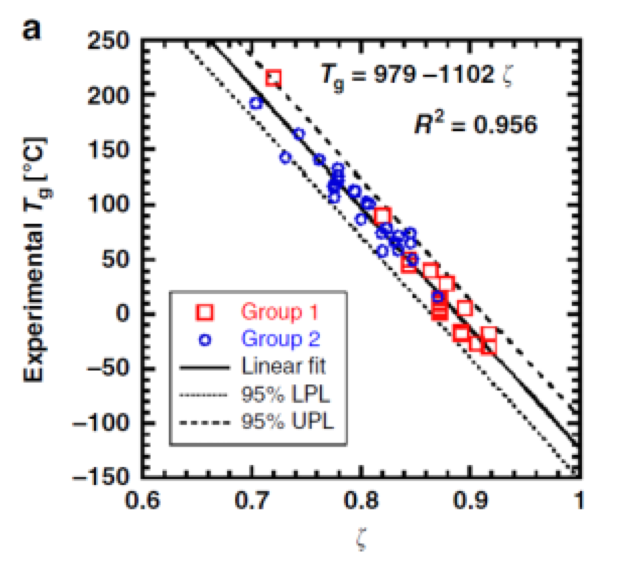
Glass Transition Temperature from the Chemical Structure of Conjugated Polymers
2/7/2023
The Tg demarks the transition into a brittle glassy state, making its accurate prediction for conjugated polymers crucial for the design of soft, stretchable, or flexible electronics.
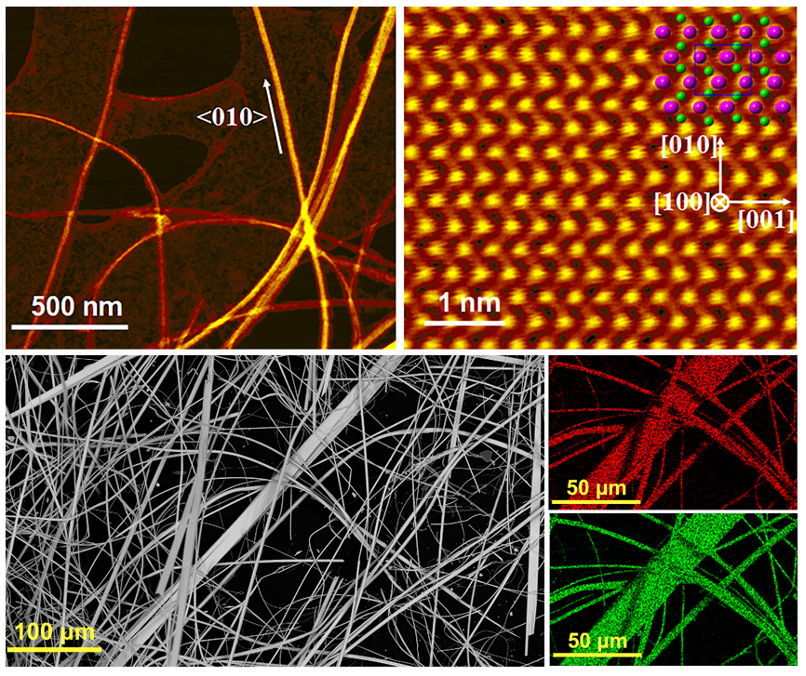
Unique Properties of One-Dimensional Materials
2/6/2023 | F. Homrich da Jornada (Stanford), A. A. Balandin, L. Bartels (U. CA – Riverside)
We synthesized and investigated MoI3, a van der Waals material with a “true one-dimensional” crystal structure that can be exfoliated to individual atomic chains. Machine learning allowed to establish the existence of MoI3 with 1D crystal structure as opposed to the previously suggested 2D structure.
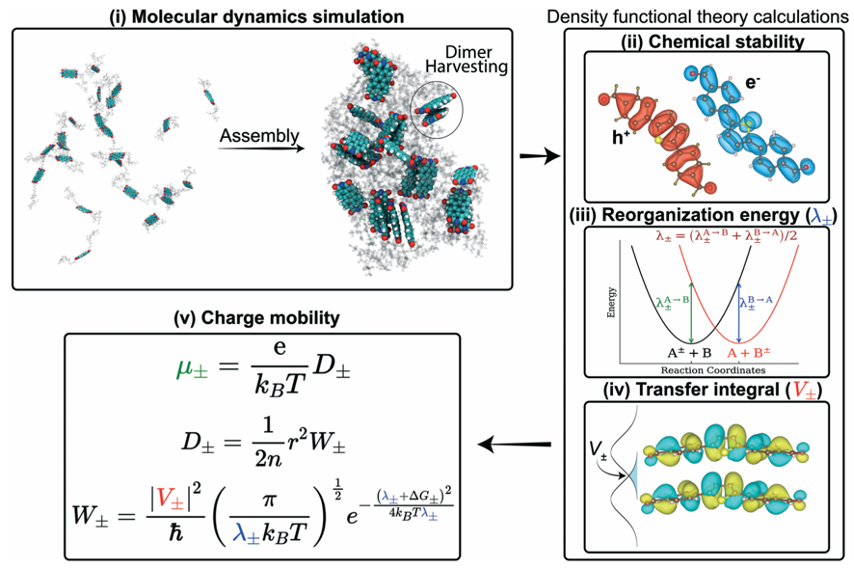
Self-assembled peptide-pi-electron supramolecular polymers for bioinspired energy harvesting, transport and management
2/6/2023 | Andrew Ferguson, University of Chicago
Organic electronics offer a route toward electronically active biocompatible soft materials capable of interfacing with biological and living systems. Discovering new organic molecules capable of high charge mobility is challenging due to the vast size of molecular design space and the multi-scale nature of charge transport that requires modeling electrons, molecules, and supramolecular assemblies.
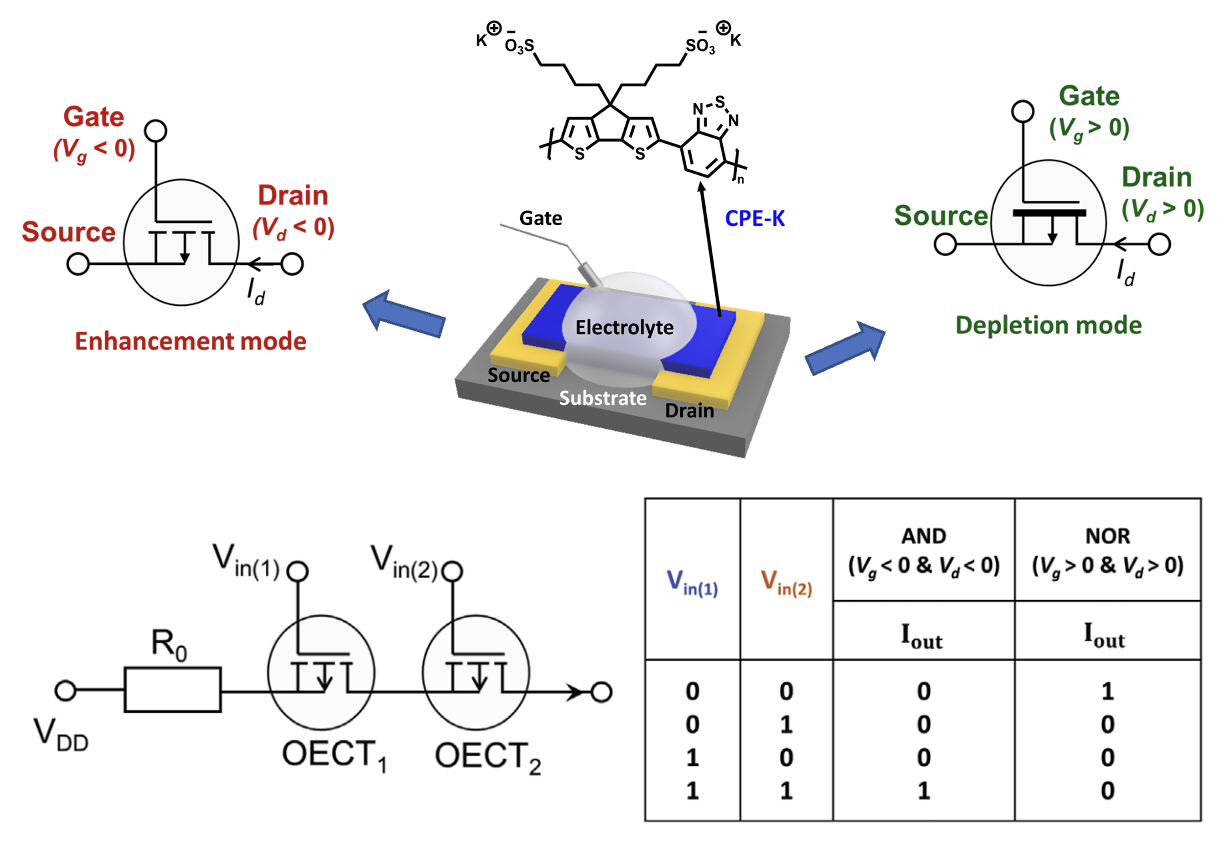
Data Driven Discovery of Conjugated Polyelectrolytes for Neuromorphic Computing
2/6/2023 | Gang Lu & Xu Zhang (California State University Northridge), Thuc-Quyen Nguyen & Guillermo Bazan (UCSB)
Dual mode transistors, the type of transistors that work in both depletion mode and enhancement mode, were reported more than 50 years ago using inorganic semiconductors, such as Silicon, but have not been shown in organic electronics
Glass Sponges Inspire Mechanically Robust Lattice
2/5/2023
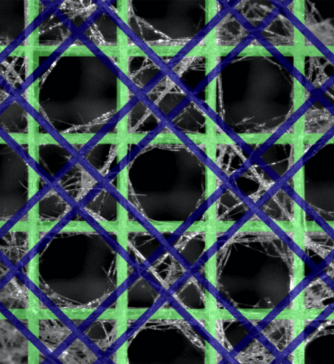
The predominantly deep-sea hexactinellid sponges are known for their ability to construct remarkably complex skeletons from amorphous hydrated silica. Here, using a combination of finite element simulations and mechanical tests on 3D-printed specimens of different lattice geometries, we show that the sponge’s diagonal reinforcement strategy achieves the highest buckling resistance for a given amount of material.

A New Paradigm for Accessing Chemical Information
2/3/2023 | Gregory Payne and William Bentley
In the 1960s work began toward the personal computer – a landmark in information processing. Since then, devices to access and analyze information have become smaller, faster, cheaper, easier to use and more powerful.
Hybrid Photocatalysts: Tuning Charge Transfer Dynamics and Redox Reactivity with Interfacial Chemistry & Electronic Structure
1/1/2023 | David Watson (SUNY-Buffalo) and Sarbajit Banerjee (Texas A&M University)
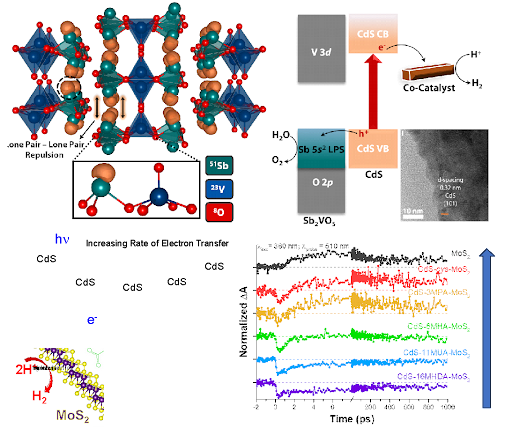
Photocatalysts that store the sun’s energy in chemical bonds are needed to combat global warming and reduce humanity’s reliance on fossil fuels.
Resolving Order in Ternary Semiconductors via Resonant X-ray Diffraction
12/12/2022 | Eric Toberer (Colorado School of Mines) and Michael Toney (Stanford U.)
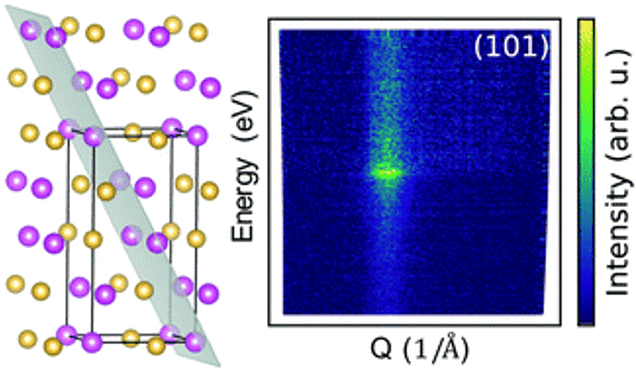
By effectively characterizing the cation site order in ZnGeP2, we have demonstrated an example of the tunability of properties in II-IV-V2 materials at nearly fixed lattice parameters—making these materials promising for integration into current technologies. This could have a beneficial impact on devices such as LEDs and solar cells.
Discovering Rare-earth-free Magnetic Materials
10/14/2022 | J. Chelikowsky , K. Ho, C. Wang, D. Sellmyer, X. Xu
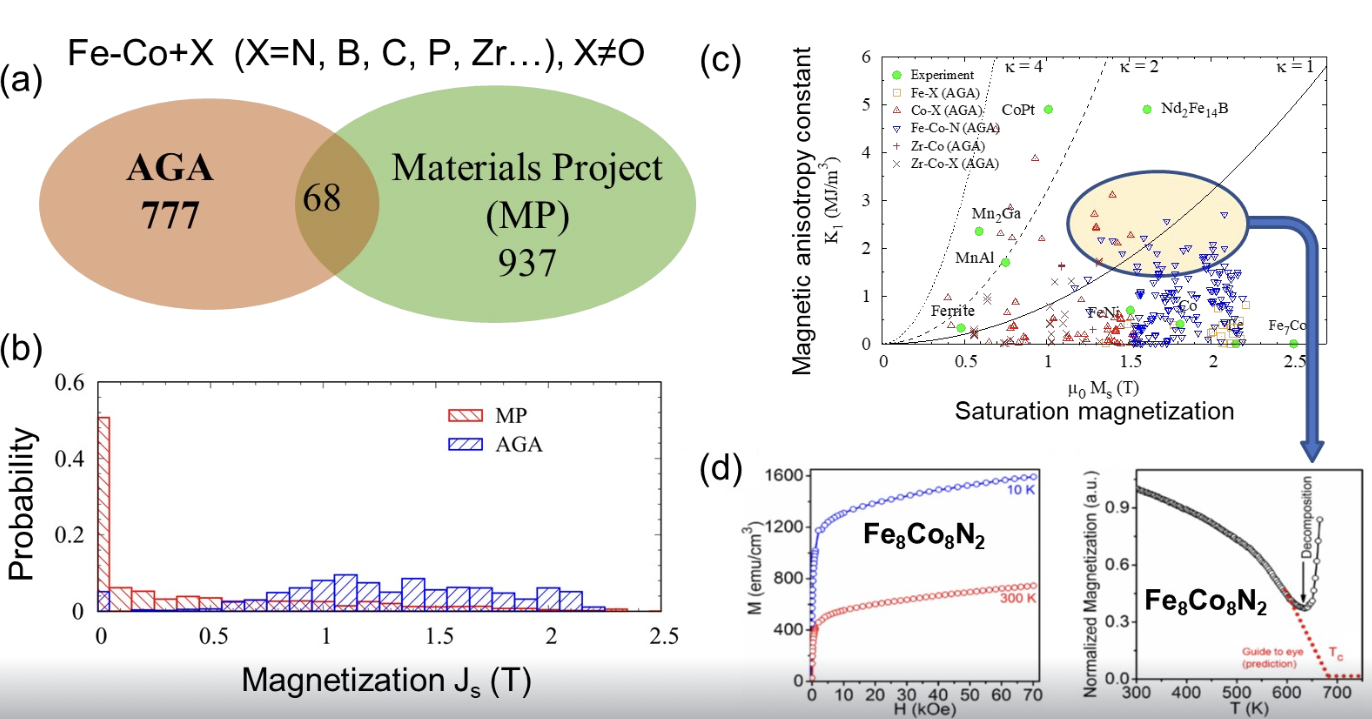
An open-access database is designed to facilitate machine learning.
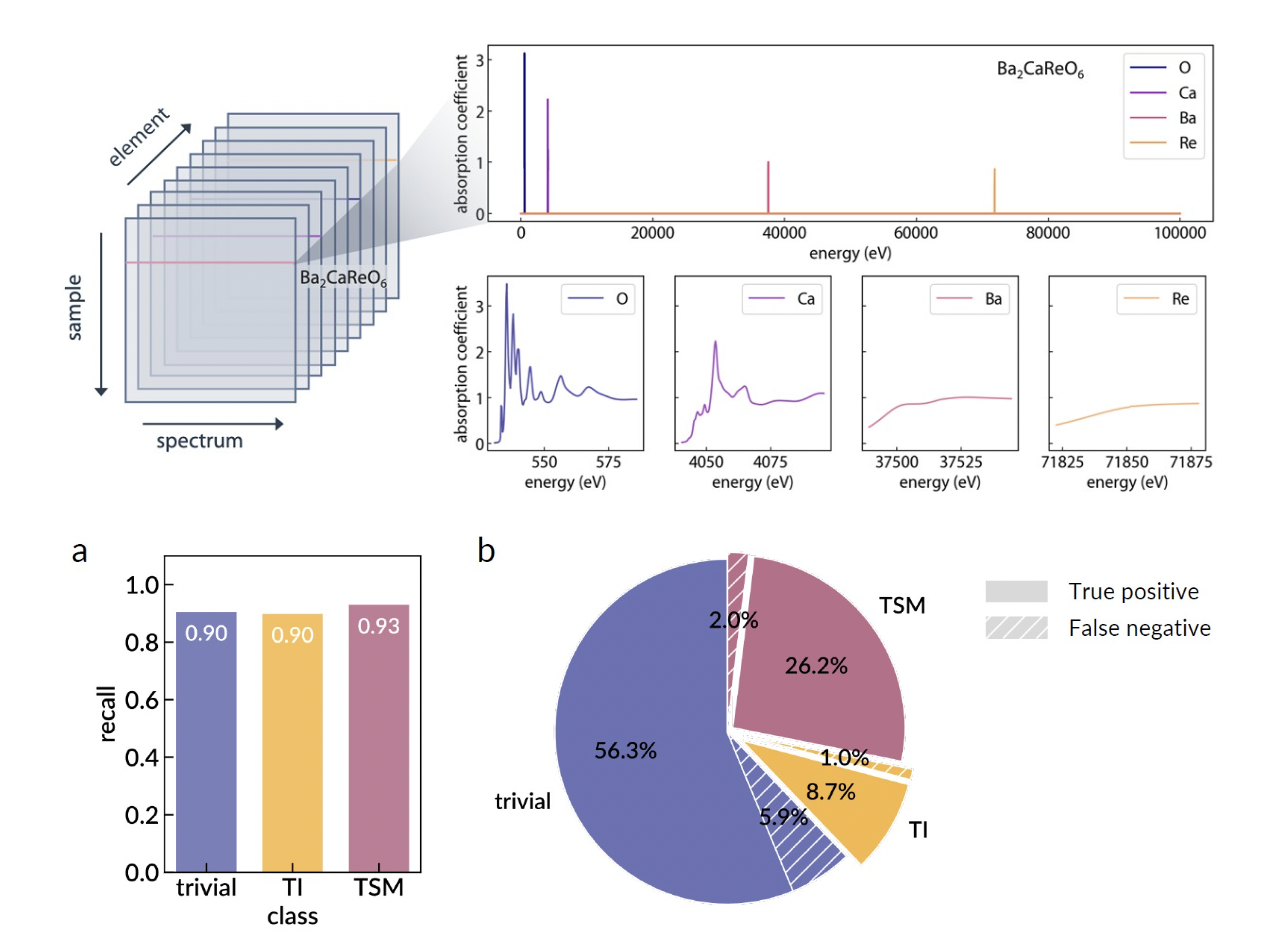
Machine-learning Spectral Indicators of Topology
10/1/2022 | Mingda Li, Massachusetts Institute of Technology
Topological materials are promising for next-generation energy and information applications. However, the experimental determination of topology can be painstaking, with a few limitations such as limited sample types, high technical barriers, and limited sample environment.
Showing 161 to 170 of 245